Kickstarter EDC launch: from prototype to shipped batch
What Kickstarter requires of a hardware EDC project, what to lock before you launch, and how a realistic prototype-to-delivery schedule and budget are built.
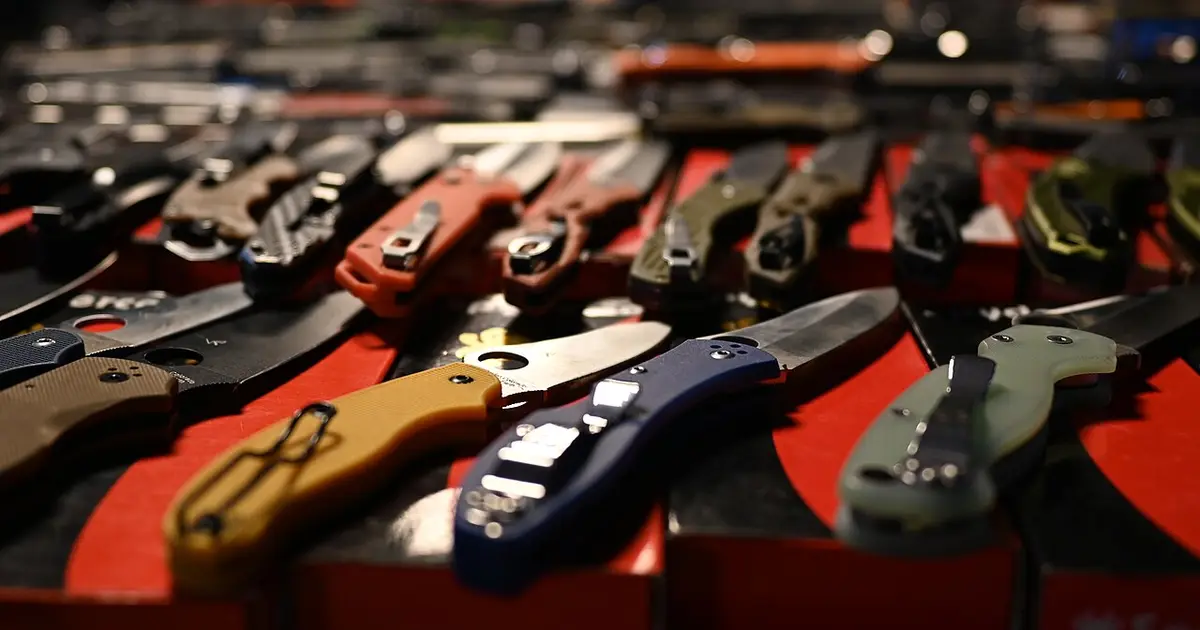
An EDC crowdfunding launch is won or lost before the campaign page goes live. The platform asks for a working prototype and a production plan, the backers pay for a batch you have not made yet, and the schedule you promise has to survive samples, finishing, freight and customs. This guide covers what to settle first, in the order the money and the calendar actually move.
What the platform requires of hardware projects
Kickstarter’s help centre sets three rules for hardware and product design projects: show working prototypes, do not use photorealistic renderings, and explain how you will produce the product and whether you have made something similar before. That sounds light, but it fixes your order of work. A CAD render with a nice anodize colour is not a prototype, and a campaign video built on one is exactly what the rule is aimed at.
Two practical consequences for an EDC brand:
- Your prototype must be real metal in your hand. For a knife scale, pen barrel or flashlight body that means a machined part in the right alloy and roughly the right finish, even if one piece took a week.
- Your production plan must name a route. “A CNC shop will make it” is not a plan. A drawing set, a material and a finish route, a first-article step and a freight route are.
Platform rules on blades, multi-tools and tool-like items are stricter than for most products and they change. Read the prohibited items rules of the platform you intend to use before you pay for samples or tooling, not after.
Sample stages, plus the first article
Kickstarter’s creator guides describe three sample stages, and they map cleanly onto machined EDC parts. We add a fourth row, the first-article report:
| Stage | What you buy | What it proves | EDC example |
|---|---|---|---|
| Development sample | One to a few pieces, quick material | Cost, feasibility, rough fit | Grade 5 titanium scale pair in the real alloy, general finish |
| Pre-production sample | Final material, final finish, final tolerances | Sign-off before the full run | Anodized scales that drop onto your liners and screws |
| Pre-shipment sample | Pieces pulled from the finished batch | The batch matches the sign-off | Colour, thread fit and cosmetic grade checked against the approved pair |
| First article (our addition) | Dimensional report on the pre-production piece | Drawing and part agree | CMM report on lock geometry and hole positions |
Kickstarter’s own advice is blunt: “Once your product is launched, changes become difficult.” For machined parts, a change after funding usually means a new program, new fixtures and a new first article, so freeze the drawing, the material grade and the finish before launch. Our note on first-article inspection for a small EDC batch lists what the report should contain.
Building the goal and the budget
Kickstarter’s goal-setting guide says the goal should cover every cost of delivering the rewards and no more. For an EDC drop the lines are:
- Manufacturing. Piece price at your real batch size, plus the minimum order the shop sets. Small runs are priced mostly on setup, which is why 25 pieces cost more than a quarter of 100. Ask for quotes at three quantities so you see the curve.
- Finishing and packing. Anodize and PVD are batch processes with minimum charges. Each extra colourway you offer is a separate finishing lot, and anodize colour drifts between lots, so decide the colour list early.
- Freight, duty and clearance. Kickstarter’s guide warns that import duties and VAT add up quickly. For US backers fulfilled from overseas this is now a material line, covered in landed cost of CNC EDC parts and the 2026 US tariff position for Vietnam-made parts.
- Platform and payment fees. Kickstarter’s fee guide states a 5% platform fee on funded projects, and payment processing adds roughly 3 to 5% more. Fees apply only if the project funds.
- Cushion. The guide says costs rarely stay as planned.
Then divide the goal by the average pledge you expect. Kickstarter’s guide suggests this as a reality check: if the number of backers is larger than your existing audience can plausibly reach, reconsider the goal.
A realistic schedule
Kickstarter’s fulfilment guide gives a timeline built for general hardware: about 14 days for credit card charges to process after the campaign ends, four to eight weeks of early wrap-up, and sample review that can take the first four to eight weeks of production. It describes a perfect run with overseas manufacturing as about nine months and recommends planning for 12 to 15 months. Its production examples are board games, enamel pins and electronics, not machined metal, so treat the shape as a guide rather than your exact numbers.
What it does tell you that applies directly to EDC parts:
- Lunar New Year closures. The guide says the holiday shuts down manufacturing in China for three to four weeks each January or February and advises adding a month if your window overlaps. Shops elsewhere in Asia also close around the holiday, so ask for the shop’s own calendar before you fix a ship date.
- Freight and customs. The guide lists about one week for export documents, ocean transit of four to five weeks to US West Coast ports and six to seven to the East Coast, one to two weeks for clearance, and two to four extra weeks if a random inspection happens. Machined EDC parts are small and dense, so most brands fly them, which shortens transit but not paperwork.
- Delivery to backers. The guide allows two to seven business days domestically and one to four weeks internationally after the warehouse stage.
The part of the schedule you control is the front of it. If you order pre-production samples before the campaign and sign them off, you go from funds cleared to production without a round of “can you change this?” that eats the first month.
Choosing who makes it
A machine shop that wants a 500-piece minimum is the wrong partner for a first drop. Shops that run small batches regularly price setup honestly, will quote at 25, 50 and 100 pieces, and will work from a drawing you own. Settle ownership of drawings and any fixtures first; see NDA, IP and tooling ownership when you outsource EDC manufacturing.
We are a sourcing desk, not a factory: we match your drawing to shops in the network that run small EDC batches and keep the quotes comparable. Send the drawing through the RFQ page with the quantities you are considering and we reply within 24 business hours. The brief that gets the best quotes is described in how to write a CNC RFQ a shop can quote.
A pre-launch checklist
- A real-metal prototype photographed in hand, no renders presented as the product
- Drawing, alloy grade, finish and colour list frozen
- Pre-production sample signed off, with a written cosmetic standard (see A, B and C surfaces for EDC parts)
- Quotes at three quantities, and a stated minimum order
- Landed cost per piece for each backer region, including duty and clearance
- A schedule with the shop’s holiday closure and a freight buffer in it
- A first-article report and a pre-shipment sample step written into the purchase order
For the same route outside a campaign, see our guide to custom EDC manufacturing. The freight and customs block of a campaign is expanded in our guide to importing EDC parts from Vietnam.
FAQ
Do I need a working prototype to launch an EDC product on Kickstarter? Yes. Kickstarter’s hardware rules require working prototypes and disallow photorealistic renderings. For machined EDC parts that means a real part in the real alloy. A rough finish is fine, a rendering is not.
How long does an EDC crowdfunding project take from funding to delivery? Kickstarter’s own fulfilment guide puts a perfect overseas run at about nine months and recommends planning 12 to 15. Machined parts can be faster to make than electronics, but sample sign-off, finishing, freight and customs set the real end date.
What fees come out of the money raised? Kickstarter states a 5% platform fee on funded projects, and payment processing adds roughly 3 to 5%. Budget manufacturing, freight, import duty and a cushion on top of that.
Should I fund tooling or a full batch before the campaign? Fund a pre-production sample before launch, not the batch. CNC parts usually need fixtures rather than hard tooling, so the early risk is design and finish, which a signed-off sample removes cheaply.
Do Lunar New Year closures affect shops outside China? Shops across Asia commonly close around the holiday. Kickstarter’s guide, written about China, advises adding a month if your production window overlaps. Ask the shop for its closure dates in writing before you promise backers a delivery month.